Legs do a lot of quiet work every day — carrying you through errands, standing in line, sitting at a desk, climbing stairs. It's easy to take that for granted until they start to feel tired, heavy, or stiff by evening. The good news is that leg health isn't complicated. It comes down to four everyday pillars: movement, circulation, nutrition, and recovery.
1. Move Often, Not Just Hard
Legs are built for regular movement, not long stretches of stillness. If your day involves a lot of sitting or standing in one place, the simplest thing you can do is break it up.
- Stand up and walk for a minute or two every 30–45 minutes if you sit for work.
- Shift your weight and take short walking breaks if your job has you standing still for long periods.
- Add a short daily walk — even 15–20 minutes makes a difference for how your legs feel by evening.
- Simple ankle circles and calf raises at your desk can keep blood moving during long sitting stretches.
2. Support Healthy Circulation
Your leg muscles act as a secondary pump, helping push blood back up toward your heart with every step. That's part of why movement matters so much for circulation. A few other habits help too:
- Elevate your legs above heart level for 10–15 minutes when you get the chance, especially after a long day.
- Stay hydrated — water supports healthy blood volume and normal circulation.
- Wear comfortable, properly fitted shoes; footwear that restricts movement can affect how your calf muscles work as you walk.
- If you sit for long flights or drives, flex and point your feet periodically to keep blood moving.
For a deeper look at circulation specifically, see our guide to circulation and vein support for healthy legs.
3. Feed Your Legs Well
Nutrition plays a bigger role in leg comfort than most people expect. Diets rich in potassium, magnesium, and antioxidant-rich produce are commonly associated with healthy fluid balance and vascular function.
- Leafy greens, beets, and citrus fruits are popular choices for circulation-minded eating.
- Reducing excess sodium can help support normal fluid balance.
- Foods naturally rich in nitrates — like beets and leafy greens — are often highlighted for their role in healthy blood flow.
For specific food ideas, check out our guides on foods for healthy legs and fruits for healthy legs.
4. Give Your Legs Time to Recover
Rest matters as much as activity. Elevating your legs, stretching calves and hamstrings before bed, and simply giving yourself a break after a long day on your feet all support how your legs feel the next morning.
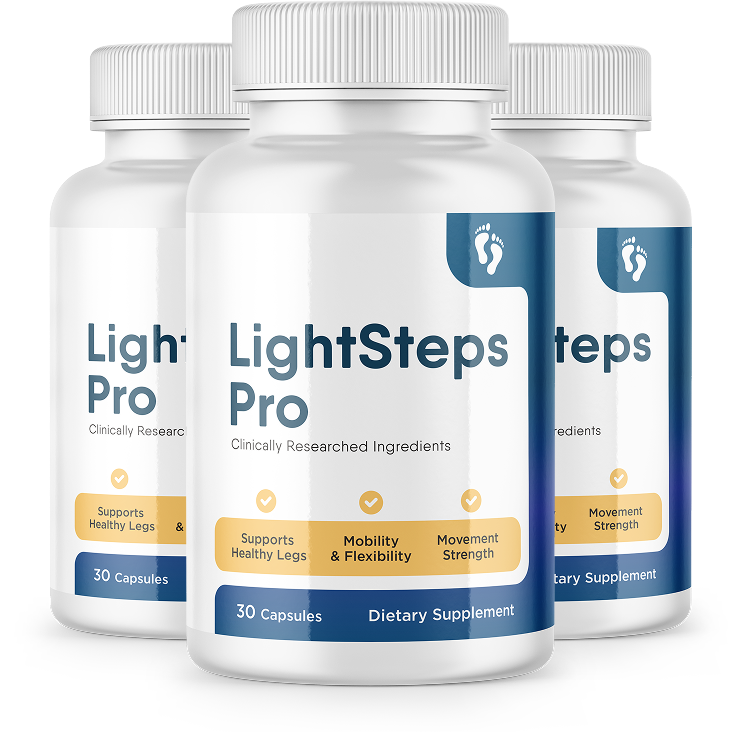
Looking for extra daily support? LightSteps Pro is a doctor-formulated capsule with six natural botanicals, designed to complement healthy habits by supporting circulation and normal fluid balance.
See LightSteps Pro Ingredients & PricingPutting It Together
None of these habits need to be perfect to make a difference — consistency matters more than intensity. A short walk most days, a circulation-friendly plate, a few minutes of elevation, and shoes that actually fit are a realistic foundation most people can stick with.
How quickly can leg comfort improve with better habits?
It varies by person. Many people notice a difference in how their legs feel within a few weeks of adding regular movement and circulation-friendly habits, though individual results vary.
Is walking enough, or do I need dedicated leg exercises?
Walking is one of the most accessible and effective habits for leg health. Dedicated exercises like calf raises can add extra support, but consistent daily movement is the foundation.
This article is for general informational purposes only and is not medical advice. If you have persistent leg swelling, pain, or discoloration, consult a licensed physician.