Leg comfort isn't only about movement — what's on your plate matters too. Certain nutrients are consistently linked to healthy circulation, fluid balance, and vascular function, which is part of why nutrition shows up again and again in leg-health guidance.
Leafy Greens
Spinach, kale, and other leafy greens are rich in dietary nitrates, potassium, and magnesium — three nutrients commonly associated with healthy blood vessel function and normal blood pressure.
Beets and Beet Root
Beets are one of the most talked-about foods in circulation-focused nutrition, largely thanks to their natural nitrate content. Dietary nitrates can convert into nitric oxide in the body, a compound involved in relaxing blood vessels and supporting blood flow.
Citrus and Berries
Oranges, grapefruit, and berries bring vitamin C and flavonoids to the table, nutrients often studied in relation to blood vessel health and antioxidant support. See our dedicated guide to fruits for healthy legs for more.
Fatty Fish
Salmon, mackerel, and sardines provide omega-3 fatty acids, which are frequently discussed in the context of healthy circulation and general cardiovascular wellness.
Water-Rich Foods
Cucumber, watermelon, and celery contribute to hydration, which supports healthy blood volume and normal fluid regulation — both relevant to how legs feel by the end of the day.
Foods to Eat in Moderation
Highly processed, high-sodium foods can work against fluid balance. Keeping sodium intake in a healthy range is a commonly recommended step for supporting normal fluid regulation.
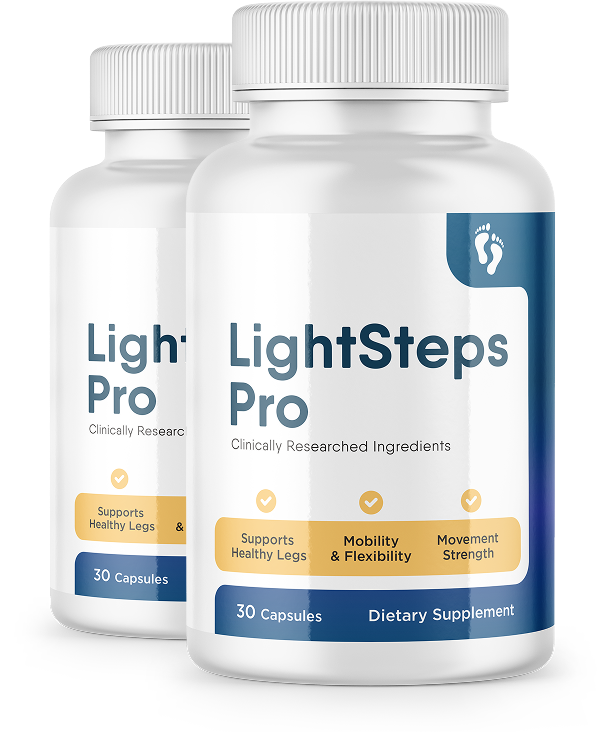
Eating well is a great foundation. LightSteps Pro adds a daily capsule of six targeted botanicals — including beet root extract and pineapple powder — to complement a circulation-friendly diet.
See LightSteps Pro Ingredients & PricingCan food alone fully support leg circulation?
Nutrition is one important piece alongside movement, hydration, and rest. Many people combine a circulation-friendly diet with daily activity and, for extra support, a targeted supplement.
How much sodium is too much for fluid balance?
Recommended sodium intake varies by individual health needs. General dietary guidelines suggest keeping sodium in a moderate range; a physician or dietitian can offer personalized guidance.
This article is for general informational purposes only and is not medical advice. Consult a physician or registered dietitian for guidance specific to your health needs.