Fruit brings hydration, fiber, and a wide range of antioxidants to the table — several of which are commonly discussed in relation to circulation and vascular health. Here are the standouts.
Pineapple
Pineapple is a natural source of bromelain, an enzyme that's been studied for its role in supporting comfort and healthy tissue response. It's also one of the ingredients found in LightSteps Pro's proprietary blend.
Citrus Fruits
Oranges, lemons, and grapefruit are rich in vitamin C and flavonoids, nutrients frequently associated with blood vessel health and antioxidant support.
Berries
Blueberries, strawberries, and blackberries are packed with anthocyanins — plant compounds studied for their potential role in vascular and circulatory health.
Watermelon
High water content and citrulline — an amino acid also found in LightSteps Pro's formula — make watermelon a popular choice for circulation-minded snacking. Citrulline is a precursor to nitric oxide, a compound involved in relaxing blood vessels.
Pomegranate
Pomegranate is another antioxidant-rich fruit frequently mentioned alongside heart and circulatory health in nutrition research.
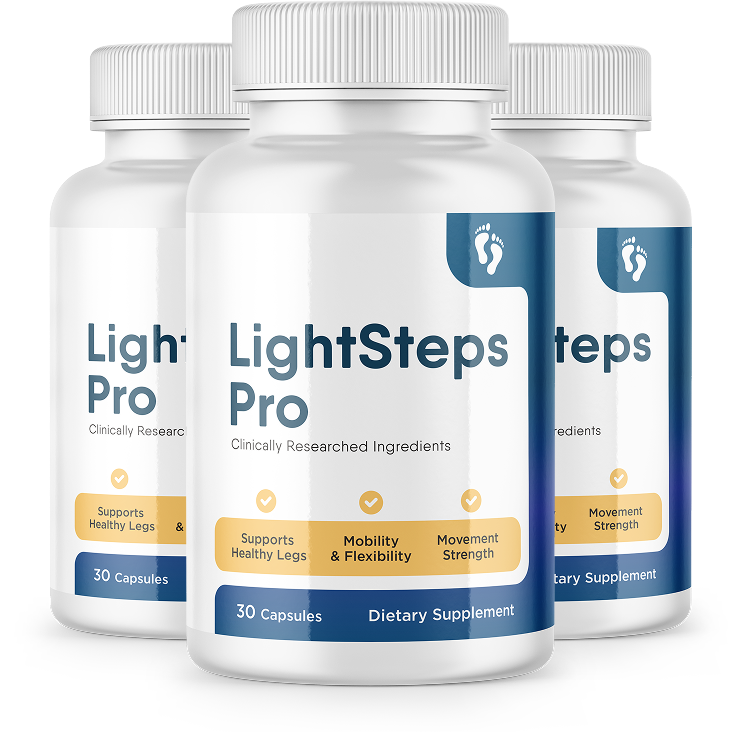
Some of these same ingredients — pineapple powder and citrulline malate — are part of LightSteps Pro's daily formula, giving you a concentrated, consistent dose alongside your regular diet.
See LightSteps Pro Ingredients & PricingA Simple Way to Build a Habit
Keeping a rotation of two or three of these fruits on hand — whether fresh, frozen, or blended into a smoothie — is an easy way to make circulation-friendly eating a consistent habit rather than an occasional effort.
Which fruit is considered best for circulation?
There's no single "best" fruit — beets and beet-adjacent produce, citrus, berries, watermelon, and pineapple are all commonly referenced for different nutrients that relate to circulation and vascular health.
How much fruit should I eat for leg health?
General dietary guidelines suggest 1.5–2 cups of fruit daily as part of a balanced diet. A physician or dietitian can offer guidance tailored to your needs.
This article is for general informational purposes only and is not medical advice. Consult a physician or registered dietitian for guidance specific to your health needs.