Leg strength depends on more than exercise alone — muscle repair, energy, and recovery all rely on the right nutrients. Here's what tends to matter most.
Protein for Muscle Repair
Lean meats, fish, eggs, beans, and legumes provide the amino acids muscles need to repair and rebuild after activity. Consistent protein intake throughout the day supports ongoing muscle maintenance.
Complex Carbohydrates for Energy
Whole grains, sweet potatoes, and oats provide steady energy for muscles during activity, without the quick spikes and crashes associated with refined sugars.
Magnesium and Potassium for Muscle Function
Bananas, leafy greens, nuts, and seeds are rich in magnesium and potassium — minerals commonly associated with normal muscle and nerve function.
Nitrate-Rich Vegetables for Performance
Beets and leafy greens are frequently referenced in sports nutrition for their nitrate content, which the body can convert into nitric oxide — a compound involved in blood flow to working muscles.
Healthy Fats for Recovery
Avocados, olive oil, nuts, and fatty fish provide anti-inflammatory fats that support overall recovery between activity sessions.
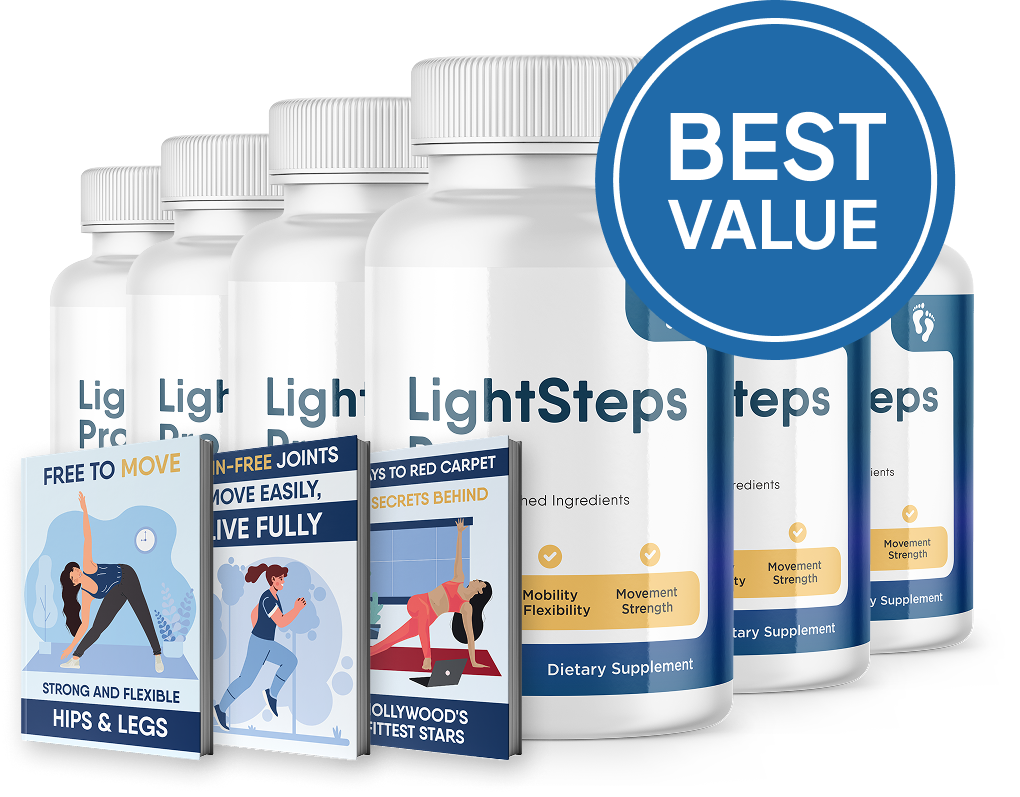
LightSteps Pro includes L-citrulline DL-malate — an ingredient commonly used in sports nutrition for its role in supporting blood flow to working muscles — alongside five other circulation-focused botanicals.
See LightSteps Pro Ingredients & PricingBuilding a Strong-Legs Plate
A simple approach: pair a protein source with a nitrate-rich vegetable and a complex carbohydrate at most meals. This combination supports the full cycle of activity, repair, and recovery that leg strength depends on.
Do I need to eat differently for leg strength versus general leg health?
There's significant overlap — both benefit from circulation-friendly nutrients. Strength-focused eating adds an emphasis on protein and steady energy sources to support muscle repair and activity.
How much protein do I need for leg muscle maintenance?
Protein needs vary by activity level, age, and body size. A registered dietitian or physician can help determine an appropriate target for your situation.
This article is for general informational purposes only and is not medical advice. Consult a physician or registered dietitian for guidance specific to your nutritional needs.