If you've tried walking more, drinking more water, and eating a more circulation-friendly diet and still want extra support, a targeted supplement can be a reasonable next step for many people. Here's what to know before choosing one.
What Healthy Legs Supplements Are Designed to Do
Most formulas in this category are built around ingredients studied for their relationship to circulation, fluid balance, and vascular function — not as a treatment for a medical condition, but as daily nutritional support alongside healthy habits.
Ingredients Worth Looking For
- L-Citrulline DL-Malate — an amino-acid compound linked to nitric oxide production and blood flow.
- Beet Root Extract — a natural source of dietary nitrates.
- Black Cumin Seed — a traditional botanical studied for broad nutritional properties.
- Hibiscus Extract — studied in relation to cardiovascular markers.
- Pineapple Powder (Bromelain) — an enzyme studied for its role in comfort and tissue response.
- Shatavari Root — a traditional adaptogen associated with fluid regulation.
What to Watch Out For
Look for formulas that are transparent about their ingredients, avoid stimulants if that's a priority for you, and are manufactured in a GMP-certified, FDA-registered facility. Be cautious of products making guaranteed or disease-specific claims — legitimate supplements are marketed as general wellness support, not medical treatments.
A Closer Look: LightSteps Pro
LightSteps Pro is a once-daily capsule that combines all six of the ingredients above into a single proprietary blend. It's manufactured in the USA in a GMP-certified, FDA-registered facility, uses non-GMO ingredients, and contains no stimulants. It's sold as a one-time purchase — no subscription — and every order is backed by a 60-day, 100% money-back guarantee.
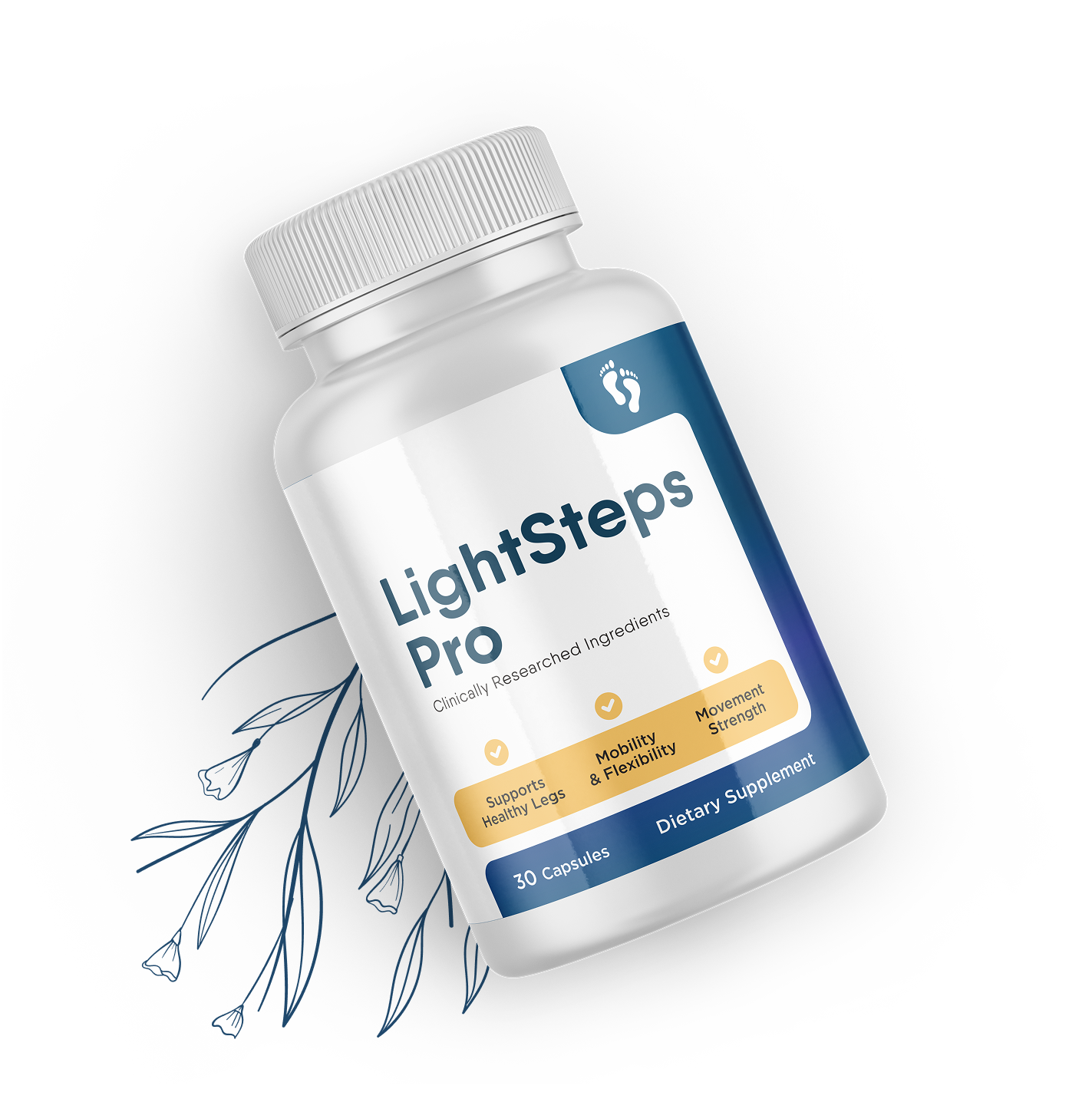
See the full ingredient breakdown, current pricing, and guarantee details on the official LightSteps Pro page.
See LightSteps Pro Ingredients & PricingHow Supplements Fit Into the Bigger Picture
The most sustainable approach combines a daily supplement with the same foundational habits covered throughout this blog: movement, hydration, circulation-friendly eating, and rest. A supplement is a piece of the routine, not a replacement for the rest of it.
Are healthy legs supplements a replacement for medical treatment?
No. Dietary supplements like LightSteps Pro are designed to support general wellness, not to diagnose, treat, cure, or prevent any disease. Anyone with a medical concern should see a physician.
How do I know if a supplement's claims are reasonable?
Look for language like "supports" or "designed to help" rather than guaranteed outcomes, and check whether the ingredient research is clearly separated from claims about the finished product.
This article is for general informational purposes only and is not medical advice. Consult a licensed physician before starting any new supplement, especially if you are pregnant, nursing, taking medication, or managing a medical condition.